
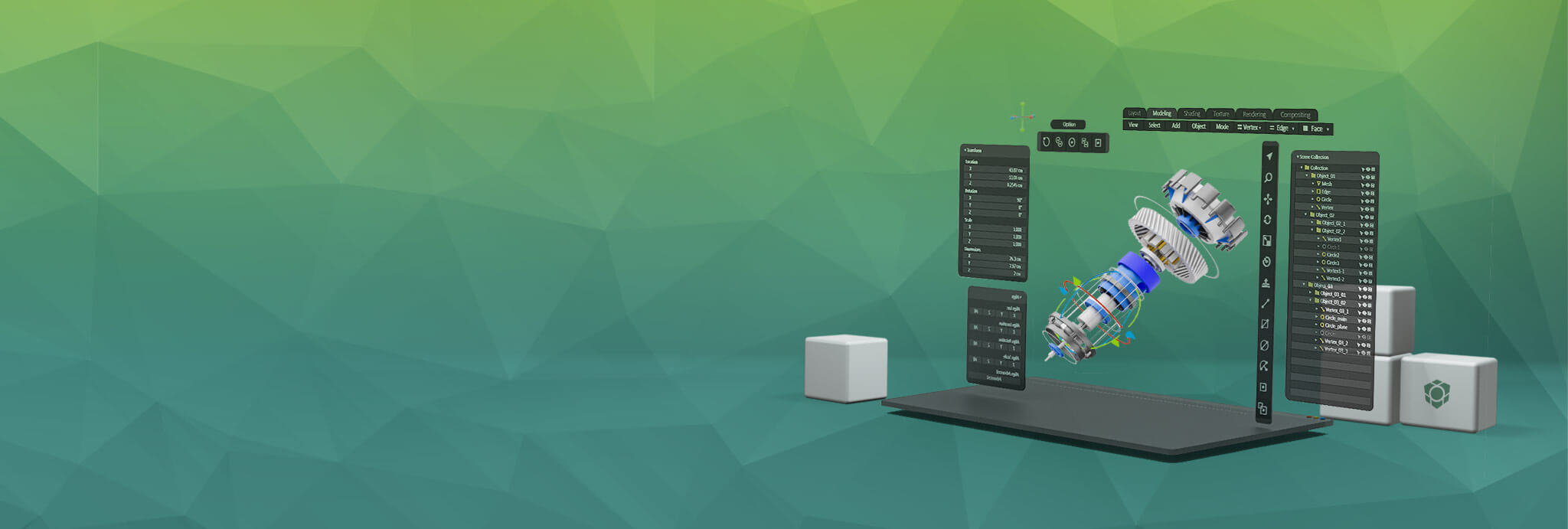
Digital engineering is a modern concept that encompasses the use of digital technologies to plan, develop and optimise products and systems. It plays a crucial role in today's industry by significantly improving the efficiency and quality of production processes. This introduction provides a comprehensive overview of the fundamentals, applications, tools and future of this topic.
The Bascis
It has developed out of the need to modernise traditional engineering methods and adapt them to the requirements of the digital world. In contrast to traditional approaches that rely on physical prototypes and manual processes, digital engineering utilises digital models and simulations to make product development more efficient and precise virtually. The main components of this approach include digital tools such as CAD (Computer Aided Design), CAE (Computer Aided Engineering) and PLM (Product Lifecycle Management).
Relevant Concepts and Methods
A central element of digital engineering is modelling and simulation. By creating virtual prototypes, engineers can test and optimise designs before physical models are built. Digital twins of physical systems enable continuous monitoring and improvement of products in real time. System architectures and design also play a crucial role by ensuring that all components of a system work together seamlessly.